
xGen Methyl-Seq Library Prep Kit utilizes Adaptase™ technology that efficiently captures bisulfite-converted ssDNA molecules into library molecules for epigenetic research studies.
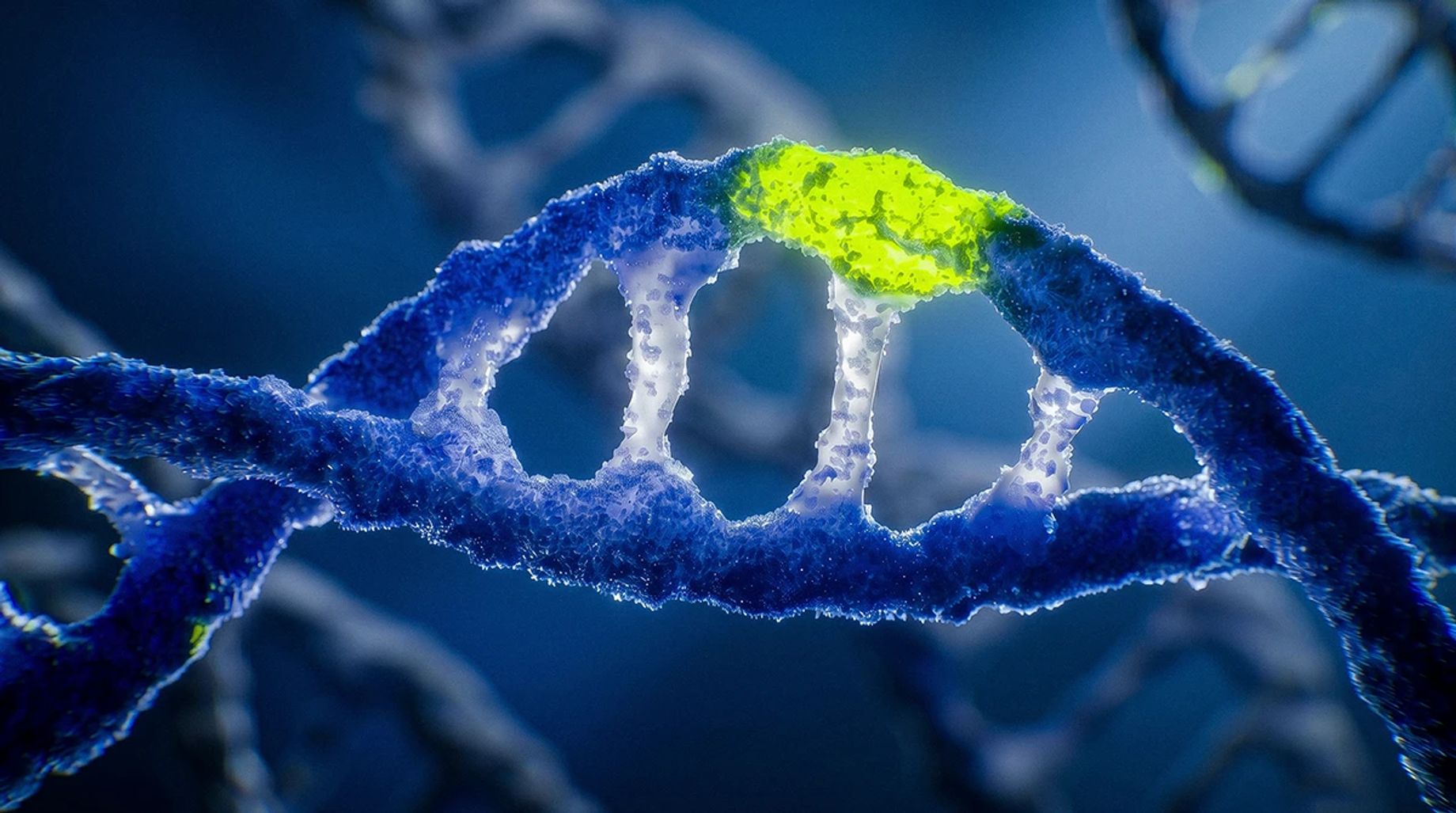
DNA methylation can be analyzed in several ways including Bisulfite conversion, Enzymatic Methylation and TAPS+.
Learn about UG 100| Vendor | Avg. Read Length | |
|---|---|---|
| BiSultfite | IDT | 170 |
| EM-Seq | NEB | 220 |
| TAPS+ | Watchmaker | 250 |
Bisulfite conversion is a chemical treatment that is one of the most established methods for comprehensive DNA methylation analysis. Bisulfite treatment selectively converts unmethylated cytosines to uracils, while leaving methylated cytosines unchanged. This chemical transformation creates a distinction between methylated and unmethylated cytosines that can be read through subsequent DNA sequencing. After conversion, the DNA is amplified by PCR, during which uracils are read as thymines. This means that in the final sequencing data, original unmethylated cytosines appear as thymines, while methylated cytosines remain as cytosines. Our validated MethylSeq experiments use xGen™ Methylation-Sequencing DNA Library Preparation Kit from IDT to conduct bisulfite conversion and library prep followed by indexing PCR to create Solaris Flex compatible libraries. This workflow typically includes whole genome sequencing of paired converted and non-converted samples.
Bisulfite Conversion and Library Prep with xGen™ Methylation-Sequencing DNA Library Preparation KitMethylation Profiling on UG 100 Application Note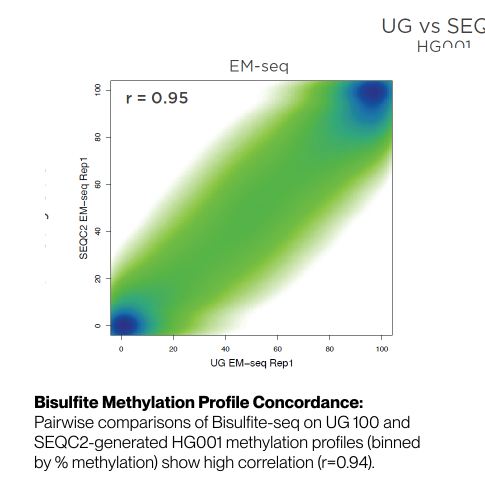
Enzymatic methylation sequencing (EM-seq) is a newer alternative to bisulfite conversion for detecting DNA methylation that uses enzymes rather than chemical treatment. The method involves two key enzymes working sequentially to deaminate unmodified cytosines to uracils, while methylated cytosines remain protected from deamination. During PCR amplification, uracils are read as thymines, so unmethylated cytosines appear as thymines in sequencing reads, while methylated cytosines remain as cytosines—just like bisulfite sequencing.
Our validated EM-seq experiments use NEBNext® Enzymatic Methyl-seq v2 Kit and indexing PCR to create Solaris Flex compatible libraries to reveal the differential methylation of paired converted and non-converted samples.
EM- Seq Library Prep with NEBNext® Enzymatic Methyl-seq v2 KitMethylation Profiling on UG 100 Application Note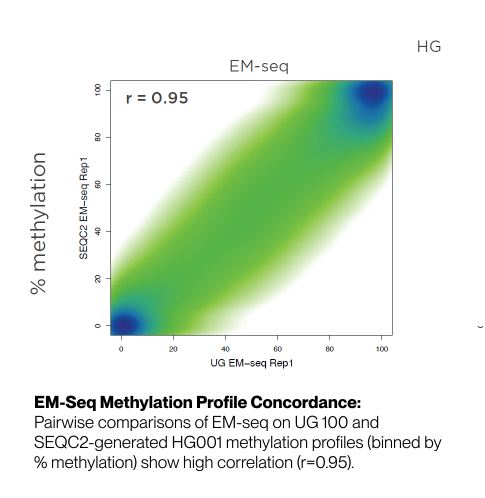
TAPS+ experiments use Watchmaker DNA Library Prep with TAPS+ to conduct a conversion of methylated DNA bases. Because the conversion only works on methylated bases the original balance of base complexity is maintained during the library prep allowing a 5 base readout of the genome.
Watchmaker TAPS+ Library PrepVideo: TAPS+ on Ultima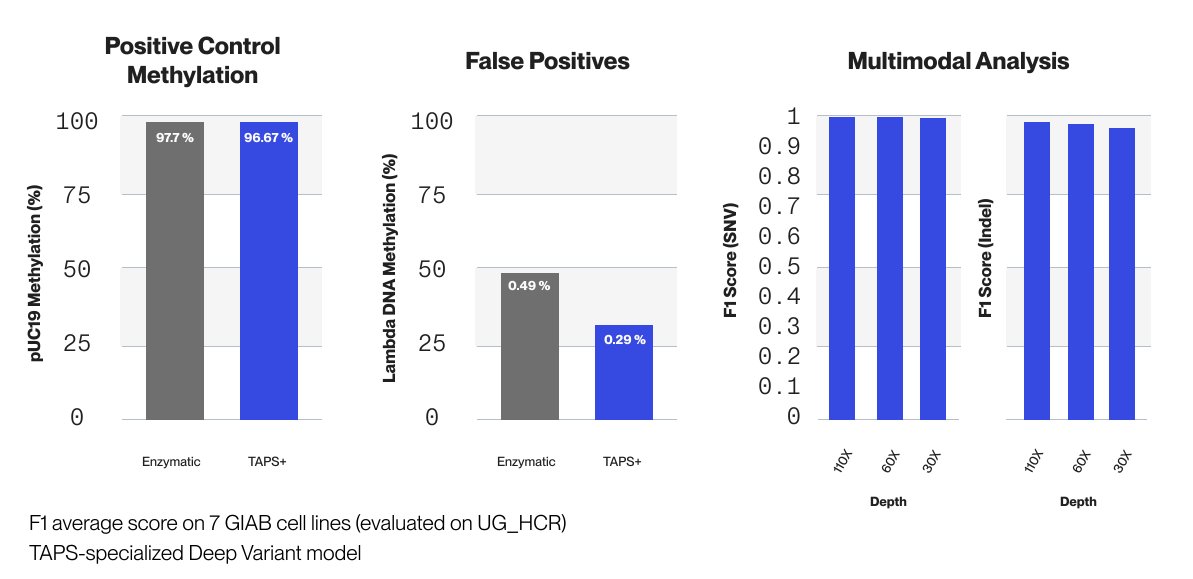
The UG 100™ sequencing platform helps eliminate file transfer time and reduce compute costs with flexible and free open-source analysis on-platform. Whole genome methylation sequencing on the UG 100 sequencing platform includes read trimming, alignment (using a methylation-aware reference), and sorting. This is followed by automated on-instrument secondary methylation analysis using Methyl Dackel which provides output of methylation statistics and QC information.
See an example Methylation Report
Methyl Dackel GitHub Page
The UG 100 Solaris™ Flex workflow allows for seamless adaptation of partial or full-length existing libraries generated from third-party library kits though a simple PCR.
Explore Solaris library prepView library compatibility guide| Indexing PCR | |
|---|---|
| Adapter names | xGen™ Indexing PCR primers |
| Purchase from | IDT |
| Sample indexing | 384 sample indices |
| DNA type | existing libraries with known adapters |
| DNA input range | 10ng |
*DNA input amounts verified by Ultima Genomics.
xGen Methyl-Seq Library Prep Kit utilizes Adaptase™ technology that efficiently captures bisulfite-converted ssDNA molecules into library molecules for epigenetic research studies.

Watchmaker DNA library prep with TAPS+ is a positive-readout chemistry that directly converts methylated Cs (5mCs) to Ts, and preserves unmethylated Cs. This maintains base complexity (ATCG) and delivers 5mC, SNV/indel, and CNV detection from a single library for multimodal analysis.

NEBNext Enzymatic Methyl-seq (EM-seq™) v2 is a high-performance enzyme-based library prep for the identification of 5mC and 5hmC that minimizes DNA damage, allowing for detection of methylated cytosines with a more streamlined workflow and lower input requirements than previous kits.
Ultima Genomics’ architecture will revolutionize sequencing and take what we can do to a whole new level. The ability to sequence many thousands of genomes and epigenomes will transform diagnostics and disease risk prediction.
Mike Snyder, PhD | Director, Center for Genomics and Personalized MedicineStanford University, August 2022
Access cost-effective and scalable sequencing through our growing network of global service providers vetted for technical expertise and adherence to best practices. Submit samples and start generating data on the UG 100 Sequencer now.
Sequence with a CSP todayOur Technology Access Program offers accessible entry to the UG 100™ through our in-house applications lab. Sequence on our high-capacity fleet of UG 100 Sequencers and receive support at every step, from consultation through data analysis.
Discover our TAP offeringsInterested in exploring how your lab can benefit from high-throughput, cost-effective sequencing? Learn how our novel use of open wafers and built-in automation is continuously driving the cost of sequencing down to accelerate omics at scale.
Explore our technology